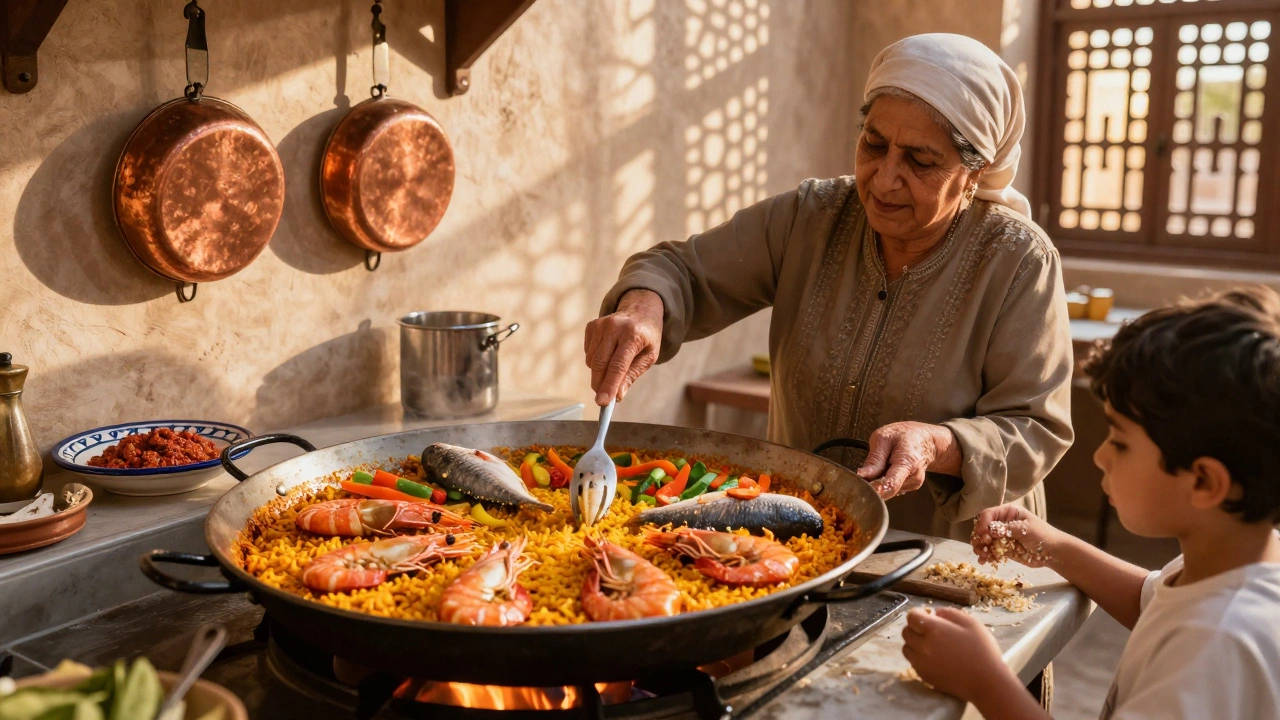
Dubai isn’t just about skyscrapers and desert safaris. Beneath the glitz, the city has quietly built one of the most surprising food scenes in the Middle East-where Spanish paella meets Catalan romesco sauce, and Emirati spices dance with Mediterranean olive oil. You won’t find this on most tourist brochures, but locals know: the best meals in Dubai aren’t in the five-star hotels. They’re in tucked-away courtyards, street-side shacks near Al Fahidi, and family-run kitchens where recipes passed down from Andalusian immigrants still simmer on slow stoves.
Some travelers looking for companionship in the city might stumble upon escorts dubai services, but those chasing authentic flavors rarely need them. The real connection here isn’t about company-it’s about culture. A generation ago, Spanish and Catalan workers came to Dubai for construction jobs. They stayed. They married. They opened restaurants. And now, their descendants run some of the most talked-about eateries in the city.
Where Spanish Taste Meets Emirati Spice
Take paella-the iconic rice dish from Valencia. In Dubai, it’s not made with saffron from Spain. It’s made with saffron grown in the Al Ain region, where the soil and heat create a deeper, earthier flavor. The seafood? Often sourced from the Persian Gulf, not the Mediterranean. Squid, prawns, and hammour (grouper) replace the traditional mussels and clams. The result? A dish that’s unmistakably Spanish in form but undeniably Emirati in soul.
At La Bodega in Jumeirah, chef Rosa Mendez-a third-generation Catalan-Dubai native-serves suquet de peix, a fish stew from Girona. But instead of using cod and monkfish, she uses local hammour and tiger prawns. She adds a dash of cardamom and dried limes, ingredients common in Emirati cooking. The broth? Simmered for 12 hours. The taste? Like the sea met the desert and decided to stay.
Catalan Traditions, Dubai Nights
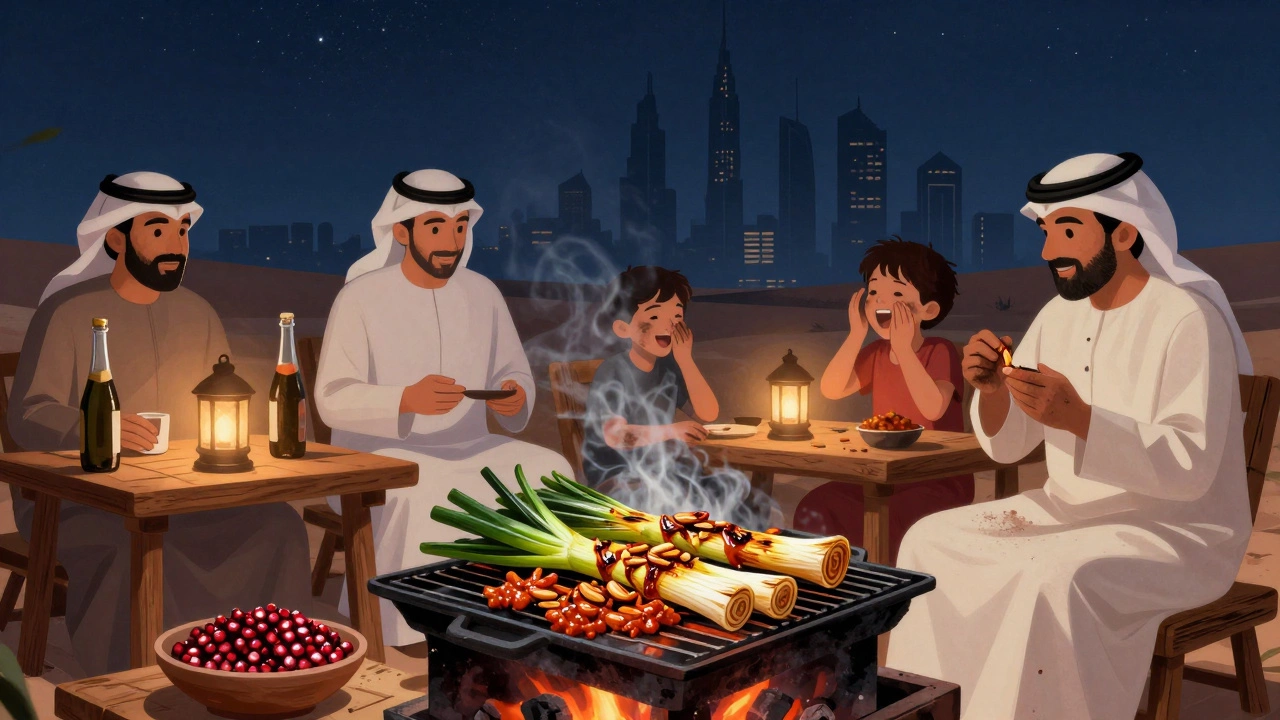
Catalan cuisine isn’t just about food. It’s about ritual. The calçots festival, where people grill spring onions over open flames and dip them in nutty romesco sauce, has found a home in Dubai’s winter months. Every January, expat Catalans and curious locals gather in Al Quoz to grill onions on charcoal pits. The sauce? Made with roasted almonds, dried red peppers, garlic, and a splash of pomegranate molasses instead of sherry vinegar. It’s sweet, smoky, and strangely addictive.
These events aren’t tourist traps. They’re community acts. People bring their own tables, share bottles of cava, and kids run around with charred onion hands. No one cares if you’re Spanish, Emirati, or Australian. If you show up with an appetite, you’re family.
Why This Fusion Works
Spain and Catalonia share a history of resilience. They’ve survived wars, repression, and economic collapse. Dubai has too. Both places know how to rebuild with pride, creativity, and flavor. When Spanish immigrants arrived in Dubai in the 1980s, they didn’t try to replicate home. They adapted. They used what was available. They listened to local tastes. And in doing so, they created something new.
It’s not fusion food for the sake of trendiness. It’s survival turned into art. A Catalan grandmother in Deira makes crema catalana with dates instead of sugar. An Emirati chef in Bur Dubai uses saffron-infused olive oil in his khubz bread. These aren’t gimmicks. They’re love letters to both worlds.
Where to Eat This Blend
- La Cova (Alserkal Avenue) - Best for authentic Catalan tapas with a Dubai twist
- Mar y Tierra (Jumeirah) - Spanish seafood with Persian Gulf ingredients
- El Mercado (DIFC) - A market-style space with live paella cooking every Friday
- Balearic Kitchen (Al Fahidi Historical District) - Hidden gem run by a Spanish-Emirati couple
Don’t go looking for “Spanish restaurants.” Go looking for people who tell stories with their food. The best meals come with a backstory: how the chef’s mother escaped Franco’s Spain, how the olive oil came from a farm in Fujairah, how the saffron was harvested by hand before sunrise.
What You Won’t Find
You won’t find dubai red light hotels serving paella. You won’t find sex uae tours that include a tasting menu. The city’s culinary identity isn’t built on spectacle or secrecy. It’s built on quiet persistence. On families cooking for each other. On neighbors sharing recipes across cultures. On a child learning to stir rice while their grandmother hums a Catalan folk song.
The real Dubai isn’t in the Burj Khalifa. It’s in the kitchen.